
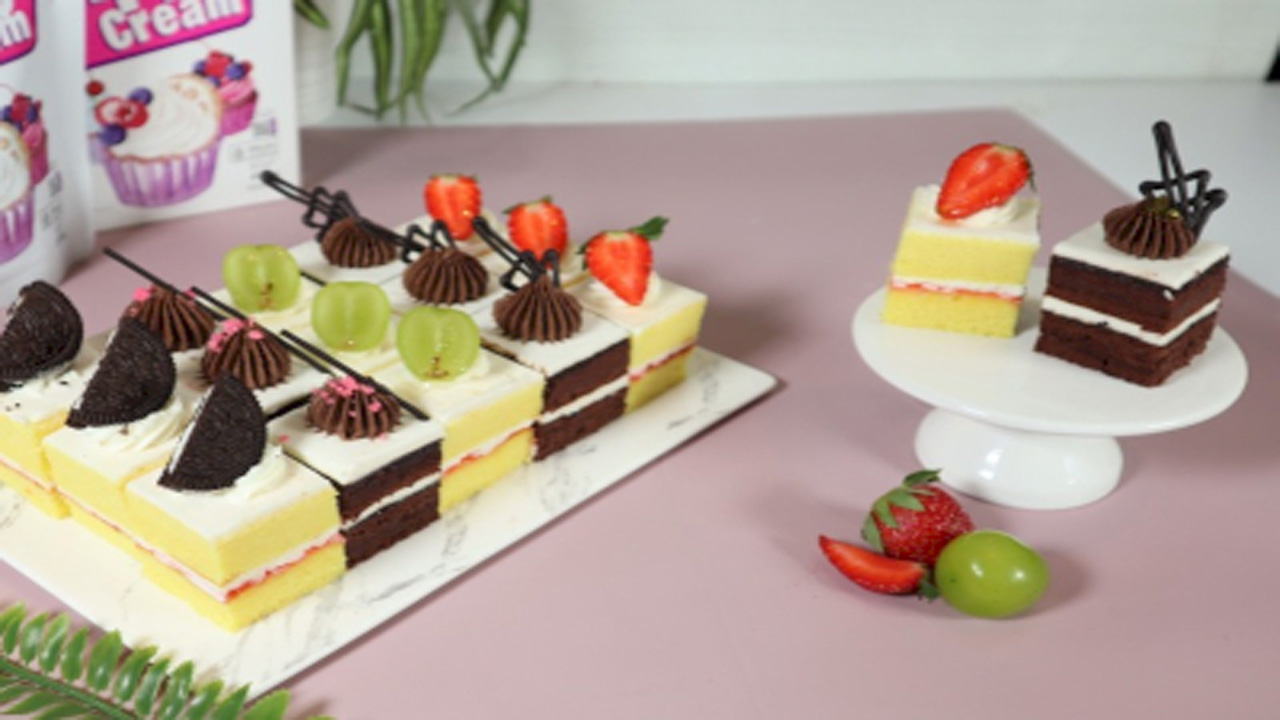
Thai-Inspired Cakes: A Harmonious Blend of Tradition and Western Influence
Biobaeckerei – Thailand’s rich dessert heritage has long been rooted in traditional sweets made from rice flour, coconut milk, palm sugar, and tropical fruits. These treats, often steamed rather than baked, have formed the foundation of Thai culinary identity. However, the evolution of the Thai cake as we know it today began in the 20th century, when Western baking techniques—especially from Europe—started to influence local cuisine.
Through increased exposure to tourism, international education, and the rise of luxury hospitality industries, Thailand embraced European-style pastries. Yet instead of replicating them, Thai bakers chose to reinterpret these influences through a local lens—giving rise to a unique dessert category that is light, tropical, and subtly sweet.
What Makes a Thai Cake Distinct?
Unlike classic Western cakes that often lean into heavy creams, sugary frostings, or dense textures, Thai cakes are known for their lightness and balance. They are moist and soft, but never overly rich. Most importantly, they carry flavors deeply rooted in Southeast Asian culture.
Thai cakes often feature:
- Pandan, with its grassy vanilla aroma
- Coconut, both as cream and flakes
- Thai tea, offering sweet, tannic depth
- Mango and durian, used in creams or fresh layers
- Palm sugar, which imparts a warm caramel note
This flavor palette, paired with minimalist yet elegant designs, makes Thai cakes visually inviting and surprisingly versatile for global palates.
Also Read : Macaron: The Art of Balance Behind a Delicate French Pastry
The Rise of Thai Cakes in Modern Bakeries
As café culture boomed in Thailand’s urban centers, particularly Bangkok and Chiang Mai, so too did the presence of Thai-inspired cakes. Modern bakeries started blending traditional ingredients with Western baking styles—resulting in menu items that cater to both locals and tourists.
Cakes like Thai tea chiffon cake, pandan coconut layer cake, and mango cream sponge have become bestsellers. These are often lighter alternatives to butter-heavy European pastries, offering a refreshing dessert experience that pairs well with hot or iced tea.
The phenomenon didn’t stop at Thailand’s borders. Through Instagram, TikTok, and food blogs, Thai cakes have become a pan-Asian trend, gaining popularity across Malaysia, Indonesia, Singapore, and even reaching bakeries in Western cities with a strong appreciation for Asian desserts.
Culinary Identity in Every Slice
More than just a treat, Thai cakes serve as a reflection of Thailand’s adaptability and openness to global influences. Without losing their cultural roots, local pastry chefs have successfully created a new category of dessert that stands proudly on its own.
What makes Thai cakes truly special is their ability to merge nostalgia and novelty. For many Thais, the ingredients evoke childhood memories of traditional sweets. For newcomers, the tropical flavors offer a gentle, exotic twist on familiar baked goods.
