
Why Organic Bread Is Becoming the Preferred Healthy Breakfast Choice
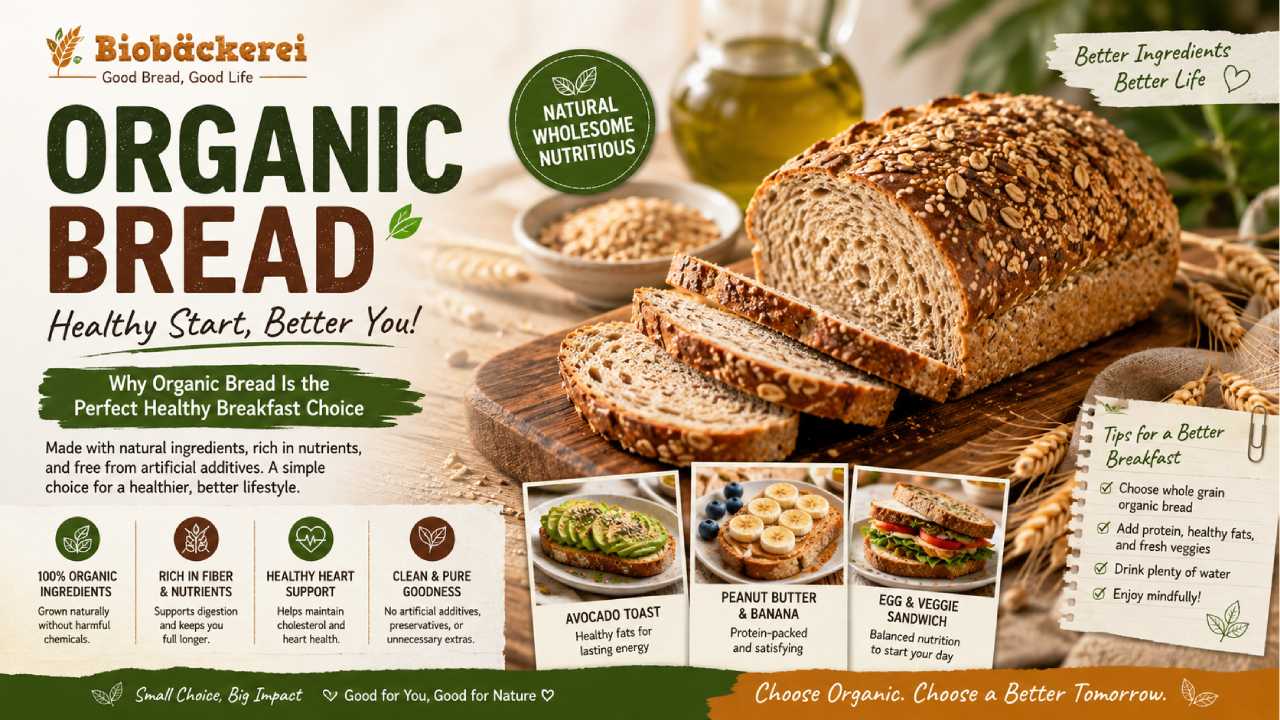
Biobaeckerei – Starting the day with Organic Bread has become an increasingly popular choice among people who prioritize a healthy lifestyle. Unlike conventional bread, organic bread is typically made from carefully selected ingredients grown without synthetic pesticides or artificial fertilizers. As a result, many consumers believe it offers a cleaner and more natural eating experience. Moreover, organic bread pairs well with a variety of nutritious toppings, making it a versatile breakfast option. While no single food guarantees perfect health, choosing wholesome ingredients can contribute to a balanced diet. Therefore, Organic Bread continues to gain attention as a practical and satisfying breakfast staple.
Read Also: McDonald’s Launches New Caesar Menu as Snack Wrap Returns to the Spotlight
What Makes Organic Bread Different?
Organic Bread stands apart because it is produced using certified organic ingredients. The wheat or grains are grown according to organic farming standards, which generally prohibit the use of synthetic pesticides, genetically modified organisms (GMOs), and artificial growth enhancers. In addition, many organic bakeries avoid artificial preservatives and unnecessary additives during production. Consequently, the bread often contains a shorter and more recognizable ingredient list. This simplicity appeals to consumers seeking minimally processed foods that fit into a healthier daily routine.
Organic Bread Provides Steady Energy Throughout the Morning
One of the biggest advantages of Organic Bread is its ability to provide sustained energy. Many organic bread varieties are made with whole grains, which naturally contain complex carbohydrates and dietary fiber. These nutrients digest more slowly than refined carbohydrates, helping maintain stable energy levels throughout the morning. Furthermore, fiber promotes a feeling of fullness, reducing the temptation to snack excessively before lunch. For busy professionals, students, and active families, this steady energy supply can make mornings more productive and enjoyable.
Rich in Essential Nutrients
Beyond carbohydrates, Organic Bread often contains valuable nutrients such as B vitamins, iron, magnesium, and zinc, particularly when whole grains are used. These nutrients support normal metabolism, nerve function, and overall well-being. Additionally, whole-grain organic bread naturally provides antioxidants and plant compounds that contribute to a balanced diet. Although nutrient content varies depending on the recipe, choosing high-quality organic bread can help increase daily nutrient intake without relying heavily on processed foods.
Fewer Artificial Ingredients Appeal to Health-Conscious Consumers
Another reason many people choose Organic Bread is its simple ingredient profile. While conventional bread may contain artificial flavorings, preservatives, or dough conditioners, many organic varieties rely on traditional baking techniques instead. As a result, consumers can better understand what they are eating by reading the label. Moreover, fewer additives align with the growing demand for clean-label foods. Although not every organic loaf is identical, transparency in ingredient selection has become a major selling point for organic bakeries worldwide.
Organic Bread Fits Easily into a Balanced Breakfast
A healthy breakfast is not defined by a single food alone. Instead, it is the combination of nutritious ingredients that creates balance. Organic Bread works exceptionally well with protein-rich and nutrient-dense toppings. For example, avocado, boiled eggs, cottage cheese, smoked salmon, peanut butter, fresh fruit, or natural yogurt can transform a simple slice into a complete meal. Furthermore, adding vegetables such as tomatoes, spinach, or cucumbers increases fiber and vitamin intake. Consequently, organic bread serves as an excellent foundation for countless healthy breakfast combinations.
Organic Bread Supports Sustainable Food Choices
Choosing Organic Bread is often associated with supporting environmentally responsible farming practices. Organic agriculture generally emphasizes soil health, biodiversity, and reduced reliance on synthetic chemicals. Although production methods vary by region and certification standards, many consumers appreciate the broader environmental goals behind organic farming. Therefore, purchasing organic bread may reflect both personal health preferences and an interest in supporting sustainable food systems. This combination has strengthened the popularity of organic products in recent years.
Tips for Choosing High-Quality Organic Bread
Not every loaf labeled as healthy offers the same nutritional value. When selecting Organic Bread, read the ingredient list carefully. Choose products made primarily from whole grains rather than refined flour whenever possible. In addition, look for bread with moderate sodium levels and minimal added sugars. Certified organic labels can also provide additional confidence regarding production standards. Finally, proper storage helps maintain freshness, especially since many organic breads contain fewer preservatives than conventional alternatives.
Organic Bread Is More Than a Trend
The growing popularity of Organic Bread reflects a broader shift toward mindful eating rather than a temporary food trend. Consumers increasingly value quality ingredients, balanced nutrition, and sustainable production methods when making everyday food choices. Moreover, organic bread offers versatility, making it suitable for families, athletes, professionals, and anyone seeking a healthier breakfast routine. While no single food guarantees long-term health, incorporating Organic Bread into a balanced diet can support better eating habits. Ultimately, its combination of wholesome ingredients, nutritional value, and excellent taste explains why Organic Bread continues to earn its place on breakfast tables around the world.
