
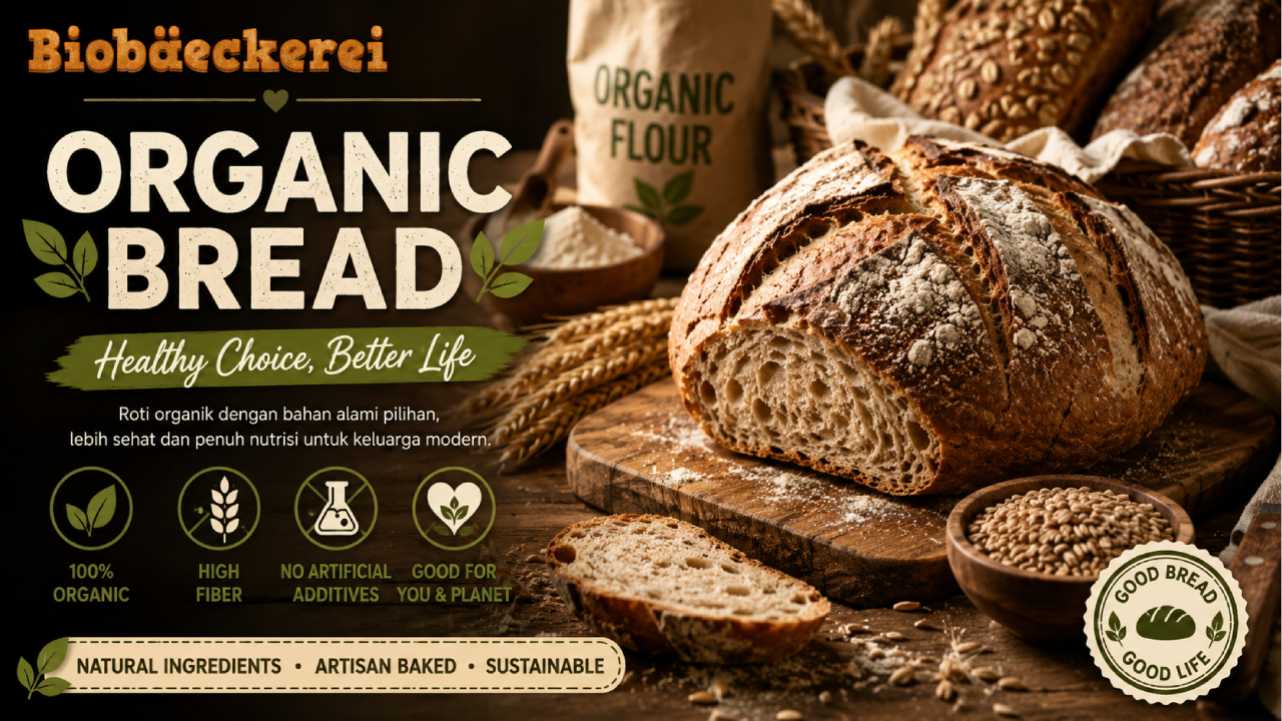
Organic Bread Becomes a Healthy Bakery Trend Loved by Modern Consumers
Biobaeckerei – Freshly baked bread has always held a special place in people’s daily lives. However, consumer preferences are shifting toward healthier choices, making Organic Bread one of the fastest-growing bakery trends worldwide. Unlike conventional bread, organic bread is made from certified organic ingredients that are cultivated without synthetic pesticides, chemical fertilizers, or genetically modified organisms (GMOs). As awareness of healthy eating continues to rise, more families are choosing organic bread as part of their balanced diet. Moreover, artisan bakeries and home bakers have embraced this movement by creating nutritious recipes that combine exceptional taste with wholesome ingredients.
Read Also: A Quinoa Breakfast Bowl Makes for a Healthy Breakfast Rich in Protein and Fiber
Organic Bread Gains Popularity Among Health-Conscious Consumers
The growing interest in healthier lifestyles has significantly increased demand for organic bread. Consumers today pay closer attention to ingredient labels and prefer products with simple, natural compositions. In addition, organic bread often contains fewer artificial preservatives and additives than conventional alternatives. As a result, many people believe it offers a cleaner and more authentic eating experience. Although scientific evidence varies depending on individual products, choosing certified organic ingredients remains an appealing option for consumers seeking more natural foods.
High-Quality Organic Ingredients Make the Difference
One reason organic bread stands out is the quality of its ingredients. Organic whole wheat flour, natural sourdough starter, sea salt, filtered water, and organic seeds create a loaf rich in flavor and texture. Furthermore, many artisan bakers include flaxseed, sunflower seeds, oats, or pumpkin seeds to enhance nutritional value. These carefully selected ingredients contribute fiber, vitamins, and minerals while maintaining the bread’s natural character. Consequently, organic bread delivers both taste and nutritional benefits in every slice.
Whole Grains Provide Long-Lasting Energy
Whole-grain organic bread contains more dietary fiber than refined white bread. Fiber supports digestive health and helps promote a feeling of fullness for a longer period. Additionally, whole grains release energy more gradually, making them an excellent choice for breakfast or lunch. Instead of causing rapid spikes in blood sugar, whole-grain bread contributes to more stable energy levels throughout the day. Therefore, many nutrition professionals encourage including whole grains as part of a balanced dietary pattern.
Artisan Baking Enhances Flavor Naturally
Many organic bakeries rely on traditional baking techniques instead of industrial shortcuts. Slow fermentation, especially through sourdough methods, develops deeper flavors and improves texture naturally. Moreover, extended fermentation allows the dough to develop complex aromas without relying on artificial flavor enhancers. As a result, each loaf offers a unique taste profile that reflects craftsmanship rather than mass production. This attention to detail has become one of the defining characteristics of premium organic bakeries.
Organic Bread Supports a Balanced Lifestyle
Healthy eating involves more than selecting one nutritious food. Nevertheless, organic bread fits well into a balanced diet when combined with vegetables, lean proteins, healthy fats, and fruits. For example, whole-grain organic toast topped with avocado and eggs creates a satisfying breakfast rich in nutrients. Likewise, organic sandwiches filled with fresh vegetables provide a practical lunch option. Because of its versatility, organic bread adapts easily to different meal plans while maintaining excellent flavor.
Sustainability Adds More Value
Another reason behind the popularity of organic bread is its connection to sustainable agriculture. Organic farming emphasizes soil health, biodiversity, and environmentally responsible cultivation practices. Although organic farming may require additional care and certification, many consumers appreciate supporting agricultural systems designed to reduce synthetic chemical use. Consequently, purchasing organic bread often reflects both personal health preferences and environmental awareness.
Tips for Choosing High-Quality Organic Bread
Selecting quality organic bread requires careful attention to product labels. Look for recognized organic certifications and check the ingredient list for whole grains, natural fermentation, and minimal additives. Additionally, bread with a shorter ingredient list often indicates a simpler production process. Fresh aroma, firm texture, and balanced moisture are also good indicators of quality. By making informed choices, consumers can enjoy organic bread that meets both nutritional and culinary expectations.
Organic Bread Continues to Shape the Future of Healthy Baking
The growing popularity of organic bread reflects changing consumer priorities toward healthier, more transparent food choices. Premium ingredients, artisan craftsmanship, and sustainable farming practices have transformed organic bread into more than a simple bakery product. Instead, it has become a symbol of mindful eating and quality nutrition. As demand continues to increase, bakeries worldwide are expected to introduce even more innovative organic recipes that combine outstanding flavor with long-term health benefits.
