
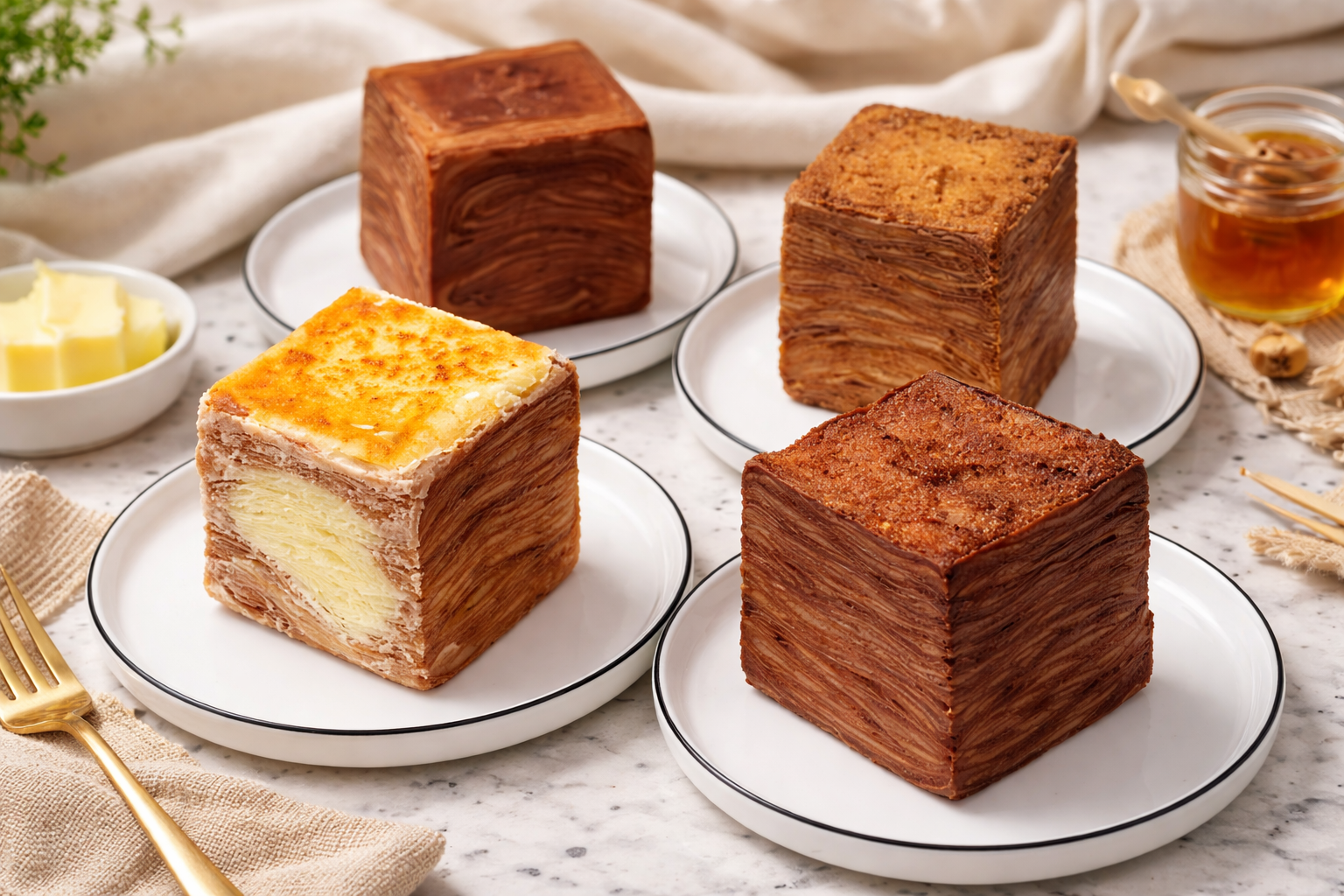
Korean Tissue Bread: The Viral Fluffy Layered Bread Trend
Biobaeckerei – Korean Tissue Bread has recently become one of the most fascinating bakery trends capturing attention across the global food scene. At first glance, this bread looks like an ordinary loaf, yet the magic reveals itself when someone gently pulls it apart. The layers separate like thin sheets of paper, creating a soft and airy structure that feels almost weightless. Because of this unique texture, the bread quickly became a viral sensation on social media platforms such as TikTok and Instagram. Furthermore, modern bakeries have embraced the trend as a symbol of creativity and innovation in contemporary baking culture. As a result, this bread is no longer just a regional specialty but a global culinary curiosity admired by both professional bakers and everyday food enthusiasts.
“Read Also: Candied Haws in China: A Sweet Street Snack Rooted in History and Memory“
The Origins of Korean Tissue Bread in Modern Korean Bakeries
The rise of Korean Tissue Bread is closely connected to the creative bakery culture that thrives in South Korea, particularly in cities such as Seoul. Korean bakeries are widely known for blending Western baking techniques with Asian flavors and aesthetics. Therefore, bakers often experiment with texture and presentation to create visually appealing products. This Bread emerged from this spirit of innovation, where bakers attempted to craft a bread that looked delicate while remaining incredibly soft. By layering thin sheets of dough and baking them carefully, they produced a loaf that could be peeled apart like tissue paper. Consequently, the bread quickly became a signature item in modern Korean bakeries and soon attracted international curiosity.
The Unique Texture That Defines Korean Tissue Bread
What truly sets Korean Tissue Bread apart from other bakery creations is its extraordinary texture. Unlike traditional bread, which typically has a dense crumb structure, this bread features dozens of extremely thin layers that create a light and fluffy interior. When the bread is pulled apart, each sheet separates smoothly, revealing a soft and elastic texture. This effect is achieved through repeated rolling and folding of the dough, a process that requires patience and precision. In addition, ingredients such as milk and butter enhance the tenderness of the bread. Because of this technique, this bread offers a sensory experience that feels both delicate and satisfying.
Social Media and the Viral Rise of Korean Tissue Bread
The global popularity of Korean Tissue Bread cannot be separated from the influence of social media. Platforms such as TikTok, Instagram, and YouTube have become powerful tools for spreading food trends worldwide. Videos showing the bread being gently peeled layer by layer often attract millions of views within hours. The visual appeal of the bread, combined with the satisfying motion of separating the layers, creates highly shareable content. Consequently, home bakers and professional pastry chefs began recreating the bread in their own kitchens. As more people posted their versions online, this bread quickly transformed from a local bakery trend into an international baking phenomenon.
Flavor Variations Expanding the Bread’s Appeal
Although the classic Korean Tissue Bread focuses on texture and softness, many bakeries have introduced creative flavor variations to enhance its appeal. Some versions incorporate sweet flavors such as chocolate, matcha, vanilla cream, or condensed milk. Others explore savory options, including cheese, garlic butter, or herb-infused layers. Because the bread consists of many thin sheets of dough, flavors can be distributed evenly throughout the loaf. As a result, every bite offers both softness and a subtle taste profile. This versatility allows bakers to adapt the bread to different markets and cultural preferences, further contributing to its growing global popularity.
Comparing Korean Tissue Bread with Croissants and Layered Pastries
At first glance, Korean Tissue Bread may remind some people of croissants or laminated pastries. However, the techniques and results are quite different. Croissants rely heavily on butter lamination to create crisp and flaky layers. In contrast, Korean Tissue Bread focuses on creating extremely thin sheets of dough stacked together to produce softness rather than flakiness. The final loaf appears more like a stack of delicate pages than a pastry. Because of this distinction, the bread offers a completely different eating experience. While croissants emphasize buttery crispness, this bread highlights softness and elasticity.
The Interactive Eating Experience of Korean Tissue Bread
Another reason why Korean Tissue Bread attracts so much attention is the unique way people enjoy it. Instead of slicing the loaf with a knife, many prefer pulling the bread apart by hand. This method reveals the delicate layers and emphasizes the bread’s airy structure. The process of gently separating each sheet creates a satisfying tactile experience that feels playful and engaging. In many viral videos, the moment when the layers unfold becomes the highlight of the entire presentation. Therefore, the bread is not only delicious but also interactive, making it especially appealing for modern food culture.
Why Bakers Love Experimenting with Korean Tissue Bread
For professional bakers, Korean Tissue Bread represents both a technical challenge and an artistic opportunity. Achieving perfectly thin layers requires careful dough handling and precise timing during fermentation and baking. At the same time, the final loaf offers a visually elegant presentation that stands out in bakery displays. Many bakers enjoy experimenting with different shapes, fillings, and toppings to personalize the bread. Consequently, Korean Tissue Bread has become a creative playground for pastry chefs who want to showcase both skill and imagination in their craft.
“Read Also: Tiramisu Classic Italian Dessert with Matcha and Dulce“
The Future of Korean Tissue Bread in Global Baking Trends
Looking ahead, Korean Tissue Bread is likely to remain an influential trend in modern bakery culture. As global interest in Korean cuisine continues to grow, more people are discovering the creativity behind Korean desserts and baked goods. Additionally, the bread’s visually striking layers and soft texture make it ideal for social media sharing. This combination of culinary innovation and digital visibility ensures that the trend will continue evolving. With new variations and interpretations emerging around the world, Korean Tissue Bread may soon become a familiar feature in bakeries far beyond South Korea.
