
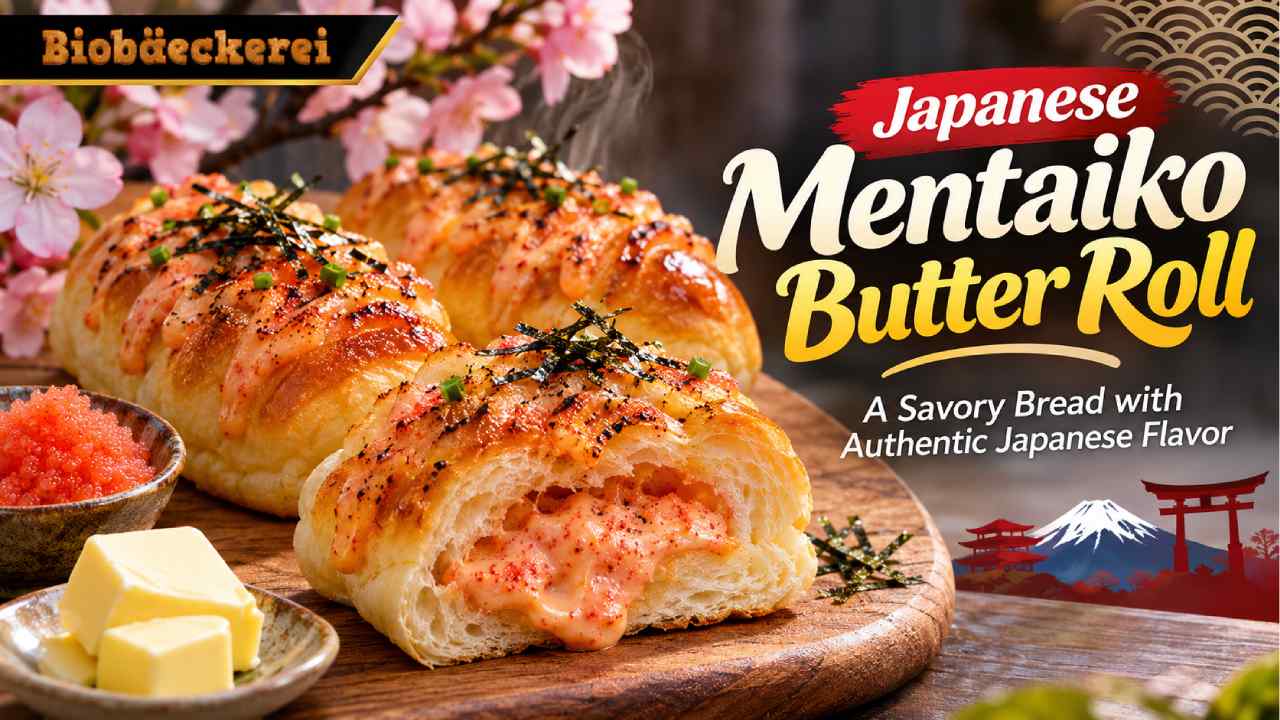
Japanese Mentaiko Butter Roll Offers an Irresistible Savory Experience
Biobaeckerei – Japanese Mentaiko Butter Roll introduces an exciting combination of delicate bread and bold Japanese flavors. This savory creation brings together soft, buttery dough and a rich mentaiko filling. As a result, every bite offers a satisfying balance of tenderness, richness, and gentle seafood notes. Mentaiko, a Japanese ingredient made from seasoned pollock roe, adds a distinctive character to this bakery favorite. Its savory taste complements the natural sweetness of freshly baked bread. Meanwhile, butter creates a smooth texture that makes the overall experience more enjoyable. Unlike conventional sweet pastries, this bread focuses on developing layers of savory flavor. Therefore, it appeals to people who appreciate unique bakery creations without excessive sweetness. The combination also reflects the creativity of Japanese baking traditions. By blending familiar bread techniques with distinctive local ingredients, bakers can transform a simple roll into something memorable.
Read Also: Shahi Tukda: India’s Royal Dessert with Rich Saffron Milk
The Unique Flavor of Mentaiko Makes Every Bite Special
The distinctive appeal of Japanese Mentaiko Butter Roll begins with its flavorful filling. Mentaiko delivers a savory taste with subtle seafood notes and a pleasant touch of saltiness. Depending on its seasoning, it may also introduce a mild spicy sensation. When combined with butter, these flavors become smoother and more balanced. The butter softens the sharper notes of the seasoned roe while adding richness. Consequently, the filling tastes satisfying without relying on complicated ingredients. Furthermore, the contrast between the bread and its filling creates an enjoyable eating experience. The dough provides a gentle sweetness, while the mentaiko contributes a deeper savory character. Some bakeries also incorporate mayonnaise to create a creamier topping. However, the exact recipe varies between establishments and individual bakers. Ultimately, the secret lies in balancing each ingredient carefully. Too much filling can overwhelm the bread, while the right proportion allows every flavor to shine.
Soft Bread and Melted Butter Create an Appealing Texture
Texture plays an equally important role in the appeal of Japanese Mentaiko Butter Roll. A well-prepared roll should feel tender inside while maintaining a lightly golden exterior. This contrast makes the bread particularly satisfying when served warm. Japanese bread-making techniques often emphasize softness and moisture retention. Therefore, bakers may use enriched dough containing milk, butter, or eggs. These ingredients help create a delicate crumb that complements the savory filling. Meanwhile, melted butter adds another dimension to the finished bread. It enhances the aroma and contributes to a richer mouthfeel. When the roll comes directly from the oven, its buttery fragrance becomes especially inviting. Nevertheless, achieving the right texture requires careful baking. Excessive heat can dry the bread before the filling develops its desired finish. For the best experience, the finished roll should remain soft, flavorful, and pleasantly warm without becoming overly greasy.
Japanese Bakery Culture Inspires Creative Savory Pastries
Japanese bakery culture provides an interesting background for understanding this savory creation. Throughout Japan, bakeries frequently combine Western bread-making traditions with ingredients associated with Japanese cuisine. This approach produces distinctive pastries that reflect both culinary influences. For example, Japanese bakeries offer familiar creations such as curry bread, yakisoba bread, and corn mayonnaise rolls. Each product demonstrates how everyday ingredients can become appealing bakery fillings. Japanese Mentaiko Butter Roll follows a similar creative direction. Instead of treating bread as a simple accompaniment, it transforms the roll into a complete savory snack. Moreover, mentaiko already appears in various Japanese dishes, including pasta and rice preparations. Its use in bread therefore represents a natural extension of an established flavor combination. This culinary flexibility helps explain why Japanese-style bakeries continue experimenting with savory ingredients. Their creations offer familiar textures while introducing customers to different flavors.
How Bakers Prepare Japanese Mentaiko Butter Roll
Preparing Japanese Mentaiko Butter Roll begins with creating a soft, enriched bread dough. Bakers typically combine flour, yeast, liquid, sugar, salt, and butter. After kneading, they allow the dough to rise until it develops sufficient volume. Next, the dough is divided and shaped into individual rolls. Depending on the recipe, bakers may create elongated pieces or compact, rounded portions. The shaped dough then undergoes a second rise before baking. Meanwhile, the filling usually combines mentaiko with softened butter. Some variations include mayonnaise or a small amount of garlic for additional flavor. Once the bread is ready, bakers add the filling through a slit or spread it over the surface. Certain recipes apply the mixture before a final baking stage. Importantly, the filling should be heated thoroughly when necessary. Proper preparation helps maintain both food safety and the intended flavor.
Why Mentaiko and Butter Work So Well Together
The combination of mentaiko and butter demonstrates how contrasting ingredients can complement one another. Mentaiko contributes saltiness, umami, and a distinctive marine flavor. Butter, on the other hand, provides richness and a smooth finish. Together, these ingredients create a balanced filling that feels indulgent without requiring many additional seasonings. Furthermore, the bread acts as a neutral foundation that allows the savory flavors to develop naturally. From a culinary perspective, fat can soften the perception of sharp or salty flavors. Therefore, butter helps make seasoned mentaiko taste more rounded. However, ingredient proportions remain essential. Excessive butter may create an oily texture, while too much mentaiko can make the filling overly salty. A successful recipe maintains harmony between the filling and the dough. Consequently, each bite delivers a combination of buttery softness, savory depth, and subtle sweetness.
Serving Japanese Mentaiko Butter Roll for Maximum Enjoyment
Japanese Mentaiko Butter Roll tastes especially appealing when served slightly warm. Gentle heating helps soften the butter and releases the bread’s inviting aroma. As a result, the filling becomes more enjoyable without overwhelming the delicate texture. For breakfast, the roll can accompany unsweetened green tea or a mild cup of coffee. These beverages provide a refreshing contrast to the savory richness. Meanwhile, the bread also works well as an afternoon snack. Its satisfying flavor makes it suitable for people seeking something different from conventional sweet pastries. Presentation can further enhance the experience. A light sprinkle of chopped parsley or finely sliced spring onions adds color and freshness. Nevertheless, proper storage deserves attention because mentaiko is a seafood-based ingredient. Refrigerate perishable filled rolls promptly and follow safe storage guidance. When reheating, use moderate heat to preserve the bread’s softness and avoid drying the filling.
Japanese Mentaiko Butter Roll Offers Opportunities for Creative Variations
One attractive feature of Japanese Mentaiko Butter Roll is its versatility. Although the original flavor combination already delivers satisfying results, bakers can introduce additional ingredients to create distinctive variations. For instance, grated cheese adds a creamy, slightly salty layer that complements the mentaiko filling. Mozzarella creates a mild flavor, while a small amount of Parmesan introduces a stronger savory character. Alternatively, garlic butter can provide a more aromatic experience. Fresh herbs also bring brightness and help balance the richness of the filling. Some bakers may experiment with different bread shapes or dough textures. A fluffy milk bread base produces a delicate result, while a slightly crustier roll offers greater contrast. However, additional ingredients should enhance rather than overpower the mentaiko. Maintaining this balance allows the original Japanese-inspired flavor to remain recognizable.
The Growing Appeal of Japanese-Inspired Savory Bakery Creations
Japanese-inspired savory bread offers an interesting alternative to conventional bakery products. Rather than focusing entirely on sweetness, these creations highlight umami, texture, and carefully balanced ingredients. Japanese Mentaiko Butter Roll fits naturally within this culinary approach. Its combination of soft bread, rich butter, and seasoned roe provides a distinctive experience for adventurous food enthusiasts. Furthermore, its visual appeal makes it suitable for modern bakery displays and food photography. A golden surface, creamy filling, and delicate garnish can create an inviting presentation. For bakery businesses, this type of product also offers opportunities for menu differentiation. However, customer acceptance may depend on local preferences, ingredient availability, and pricing. Ultimately, its appeal comes from the thoughtful combination of familiar and unfamiliar elements. The comforting texture of butter bread makes the distinctive mentaiko flavor more approachable for first-time customers.
