
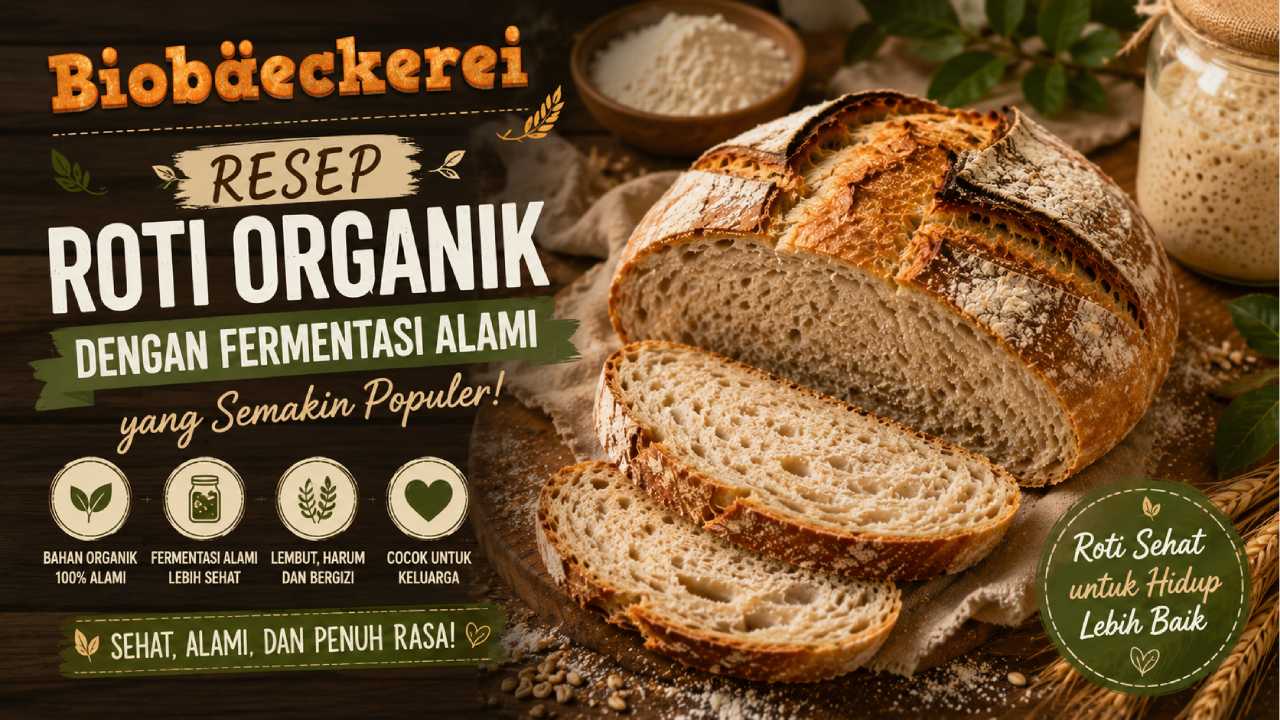
Recipe Organic Bread with Natural Fermentation That Is Becoming Increasingly Popular
Biobaeckerei – Organic bread has gained remarkable attention in recent years. As more people become conscious of what they eat, naturally fermented bread has emerged as a healthier and more flavorful alternative to conventional bakery products. The appeal goes beyond taste. Many consumers appreciate the simplicity of organic ingredients and the traditional methods used to create these loaves. As a result, the demand for homemade and artisan bread continues to grow. This Recipe Organic Bread not only offers a wholesome baking experience but also delivers a rich texture and aroma that many commercial breads struggle to achieve. Furthermore, natural fermentation creates a unique character that transforms simple ingredients into something truly special.
Read Also: The Rise of Organic Adaptogenic Foods in Modern Wellness Culture
Why Organic Bread Is Gaining Popularity
The popularity of organic bread is closely linked to changing consumer habits. Today, many people prefer foods with fewer additives and more natural ingredients. Consequently, organic bread has become a preferred option for families seeking healthier choices.
Moreover, organic flour is typically produced without synthetic pesticides or artificial fertilizers. This gives consumers greater confidence in the quality of the ingredients. At the same time, natural fermentation enhances flavor and texture. Unlike mass-produced bread, organically fermented bread often develops deeper aromas and a more satisfying chew. Therefore, it is not surprising that more home bakers are experimenting with traditional bread-making techniques.
Understanding Natural Fermentation
Natural fermentation relies on wild yeast and beneficial bacteria rather than commercial yeast. These microorganisms naturally develop in a sourdough starter, creating a living culture that helps the dough rise.
In addition, the fermentation process can take several hours or even days. While this requires patience, the results are often worth the wait. The extended fermentation period allows flavors to mature and become more complex. Furthermore, many bakers believe that naturally fermented bread is easier to digest because the fermentation process helps break down certain components within the flour. For this reason, natural fermentation continues to attract health-conscious consumers.
Ingredients for Organic Bread
One of the best aspects of this recipe is its simplicity. To make a traditional organic loaf, you only need a few high-quality ingredients. Prepare 500 grams of organic bread flour, 350 milliliters of filtered water, 100 grams of active sourdough starter, and 10 grams of sea salt.
Because the ingredient list is short, quality becomes especially important. Organic flour provides the foundation for flavor, while clean water supports healthy fermentation. Meanwhile, sea salt helps strengthen the dough structure and enhances taste. Together, these ingredients create a loaf that is both wholesome and delicious.
Preparing the Dough Step by Step
Begin by mixing the organic flour and water in a large bowl. Allow the mixture to rest for about 30 minutes. This stage, known as autolyse, helps hydrate the flour and improve gluten development.
Afterward, add the sourdough starter and salt. Mix thoroughly until all ingredients are incorporated. Next, perform a series of stretch-and-fold techniques every 30 minutes over the next two hours. This gentle method strengthens the dough without excessive kneading. As a result, the dough becomes more elastic and easier to shape later in the process.
The Importance of a Slow Fermentation Process
Patience plays a significant role in making excellent organic bread. After the dough has been developed, allow it to ferment at room temperature for several hours until it increases noticeably in size.
Subsequently, place the dough in the refrigerator for an overnight cold fermentation. This step is often considered the secret behind artisan-quality bread. During this time, flavors continue to develop while the dough structure improves. Consequently, the finished loaf will have a richer taste and a more open crumb. Compared to quick-rise breads, naturally fermented loaves offer significantly more depth and complexity.
Shaping and Baking the Bread
Once fermentation is complete, gently remove the dough from the refrigerator. Shape it into a round or oval loaf according to your preference. Then, place it into a proofing basket and allow it to rest for one to two hours.
Meanwhile, preheat your oven to 230°C. If possible, use a Dutch oven because it helps trap steam and creates a crisp crust. Carefully transfer the dough into the hot baking vessel and score the surface with a sharp blade. Bake covered for 20 minutes, then uncover and continue baking until golden brown. The result is a beautifully caramelized loaf with a crunchy exterior.
What Makes Organic Bread Different?
Many people wonder whether organic bread truly differs from standard bread. The answer lies in both ingredients and process. Organic bread often contains fewer artificial additives and focuses on natural production methods.
Additionally, natural fermentation contributes to a unique flavor profile. The bread develops subtle tangy notes and a richer aroma. In contrast, commercially produced bread often prioritizes speed and consistency. While convenient, it may lack the character that artisan bread enthusiasts appreciate. Therefore, organic bread offers a more authentic baking experience and a distinct culinary reward.
Health Benefits Associated with Naturally Fermented Bread
Although no single food guarantees perfect health, naturally fermented bread offers several advantages. First, the longer fermentation process may improve digestibility for some individuals. Second, the bread often has a lower glycemic impact compared to highly processed alternatives.
Furthermore, organic ingredients reduce exposure to certain synthetic agricultural chemicals. Combined with the nutritional value of whole grains, this creates a product that aligns well with modern healthy eating habits. For many consumers, these benefits add another reason to choose organic bread over conventional options.
Why Home Bakers Are Falling in Love with This Trend
The rise of organic bread reflects a broader movement toward mindful eating and traditional craftsmanship. Home bakers enjoy the satisfaction of creating something meaningful from simple ingredients. In addition, the process encourages patience, creativity, and a deeper appreciation for food.
As more people discover the rewards of natural fermentation, the popularity of artisan bread continues to expand. This Recipe Organic Bread demonstrates that exceptional bread does not require complicated ingredients or advanced equipment. Instead, it relies on quality ingredients, time, and attention to detail. Ultimately, that combination creates a loaf that is both nourishing and memorable.
