
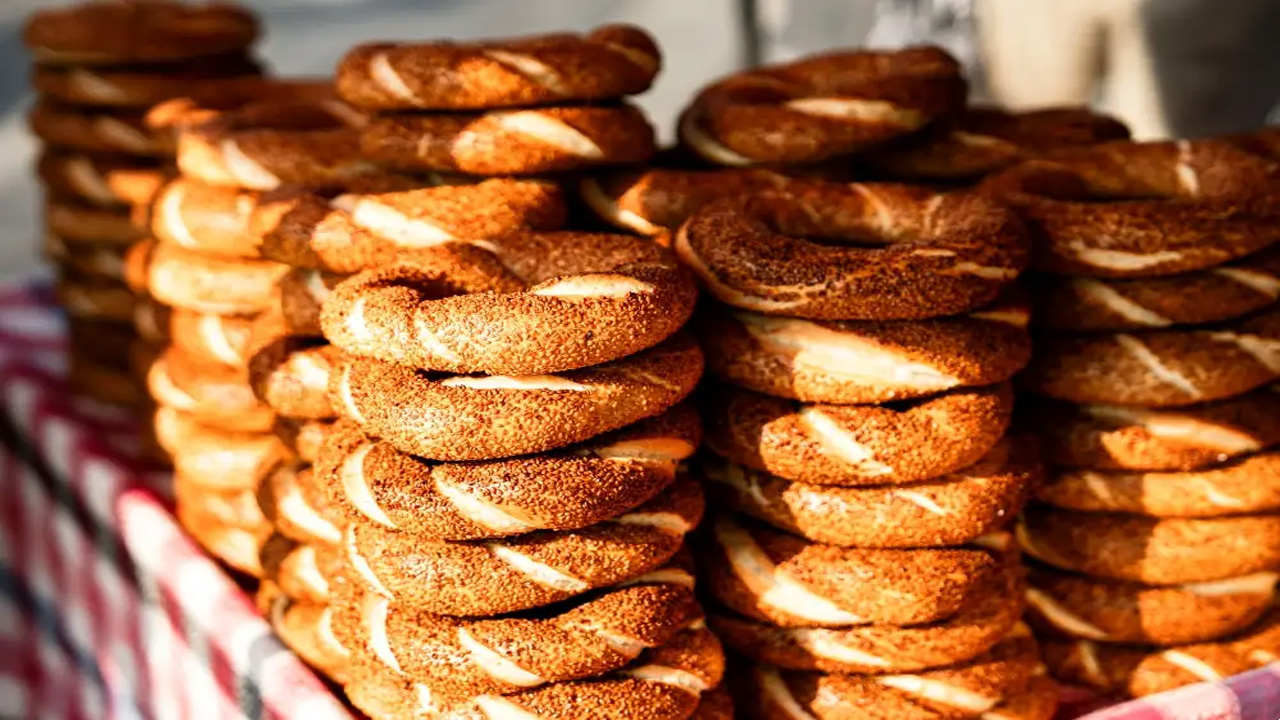
Simit, Turkey’s Iconic Ring Bread Often Called the Nation’s Bagel
Biobaeckerei – Simit is one of Turkey’s most recognizable traditional breads. It is often described as the Turkish version of a bagel. The ring-shaped bread is widely sold on street carts and in bakeries, especially in Istanbul. Many people enjoy simit as a quick breakfast or light snack. It is commonly paired with hot tea or ayran, a savory yogurt-based drink. Because of its simplicity, simit has become a daily staple across social classes.
A Bread That Pairs Easily with Many Foods
One of simit’s strengths lies in its versatility. It can be eaten plain or combined with various toppings. Popular pairings include cheese, fresh vegetables, cured beef, or preserved fruits. As a result, simit works well at any time of day. It can be eaten on the go or enjoyed during a relaxed meal. This flexibility has helped simit remain popular for generations.
The Linguistic Roots of the Name Simit
The word “simit” comes from the Arabic term samīd. The word refers to white bread or fine flour. Culinary references such as TasteAtlas note this origin. The name reflects the cultural exchanges that shaped Ottoman cuisine. Over time, the term became closely linked to the sesame-coated bread known today. Its name is now inseparable from Turkish food culture.
Also Read : Chocolate Raspberry Layer Cake: A Story of Sweet Balance and Celebration
A Bread with a Long Recorded History
Historical sources suggest simit has been eaten in Istanbul since the 1500s. During the Ottoman era, simit production was regulated by the state. Authorities controlled its weight and price. This shows how important simit was to daily life. Few breads have remained so consistently present over centuries. Simit continues to bridge Turkey’s culinary past and present.
Distinct Texture and Flavor
Simit is known for its crisp outer layer and soft interior. Before baking, the dough is dipped in a mixture of water and grape molasses. It is then coated generously with sesame seeds. This process gives simit its golden color and nutty flavor. The result is a bread that is both crunchy and chewy. These qualities set it apart from similar ring-shaped breads.
Simit as a Cultural Symbol Today
Despite changing food trends, simit remains deeply rooted in Turkish culture. It is affordable, accessible, and widely loved. Modern cafés may offer new variations, but the classic version still dominates. For many people, simit represents comfort and tradition. It remains a simple food with lasting cultural significance.
