
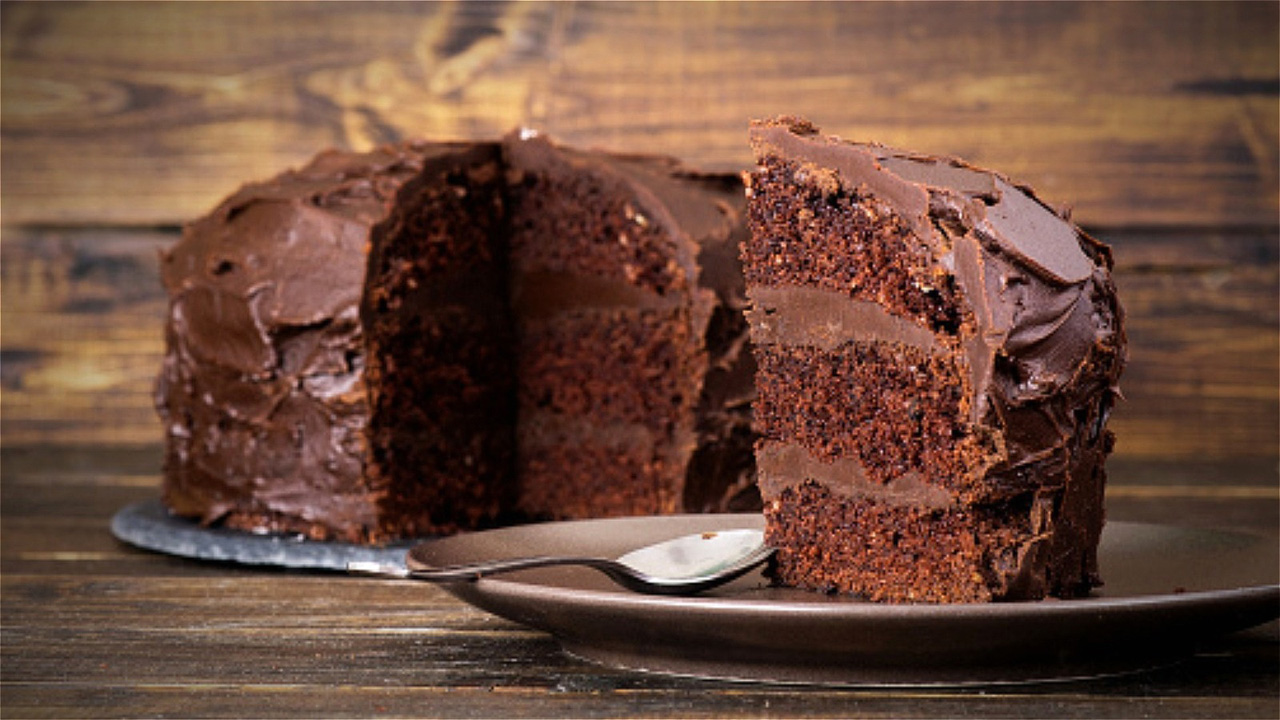
Devil’s Food Cake: The Dark Counterpart to Angel Food
Biobaeckerei – Devil’s food cake lives up to its provocative name. Rich, dark, and unapologetically indulgent, the dessert emerged in the early 1900s as a deliberate contrast to the light and airy angel food cake that had already gained popularity. While angel food symbolized restraint and delicacy, devil’s food embraced excess. Its rise reflected a growing appetite for deeper flavors and more decadent textures, marking a shift in baking culture at the turn of the 20th century.
The Role of Chocolate in Its Creation
The invention of devil’s food cake coincided with a key development in culinary history: the wider availability of baking chocolate and unsweetened cocoa powder. At the time, these ingredients became more affordable and accessible to home cooks. As a result, bakers began experimenting with darker batters and richer flavors. Consequently, devil’s food cake stood out for its intense chocolate profile, setting it apart from other cakes of the era.
Also Read : Dubai Chocolate Goes Viral: Pistachio Kunafa Dessert Craze
Early Recipes and Historical Records
Although chocolate cakes existed before, the first recipes explicitly labeled as “devil’s food” appeared in 1902. One of the earliest documented versions was published in Mrs. Rorer’s New Cook Book. This marked a turning point, as the name signaled a distinct identity rather than just another variation of chocolate cake. From that moment on, devil’s food cake gained recognition as its own category within American baking traditions.
Texture, Flavor, and Lasting Appeal
What truly defines devil’s food cake is its balance of richness and softness. Typically darker, moister, and more tender than standard chocolate cakes, it delivers a bold cocoa flavor without becoming overly dense. Over time, bakers refined recipes using ingredients like extra cocoa, baking soda, and sometimes coffee to enhance depth. As a result, the cake earned a loyal following that has endured for more than a century.
From Early Kitchens to Modern Classics
Today, devil’s food cake remains a staple in bakeries and home kitchens alike. Whether layered with chocolate frosting or served simply, it continues to represent indulgence and comfort. In contrast to its angelic counterpart, the cake’s appeal lies in its willingness to embrace richness without apology. More than a dessert, devil’s food cake stands as a reflection of how tastes evolved, proving that sometimes the darker option leaves the strongest impression.
