
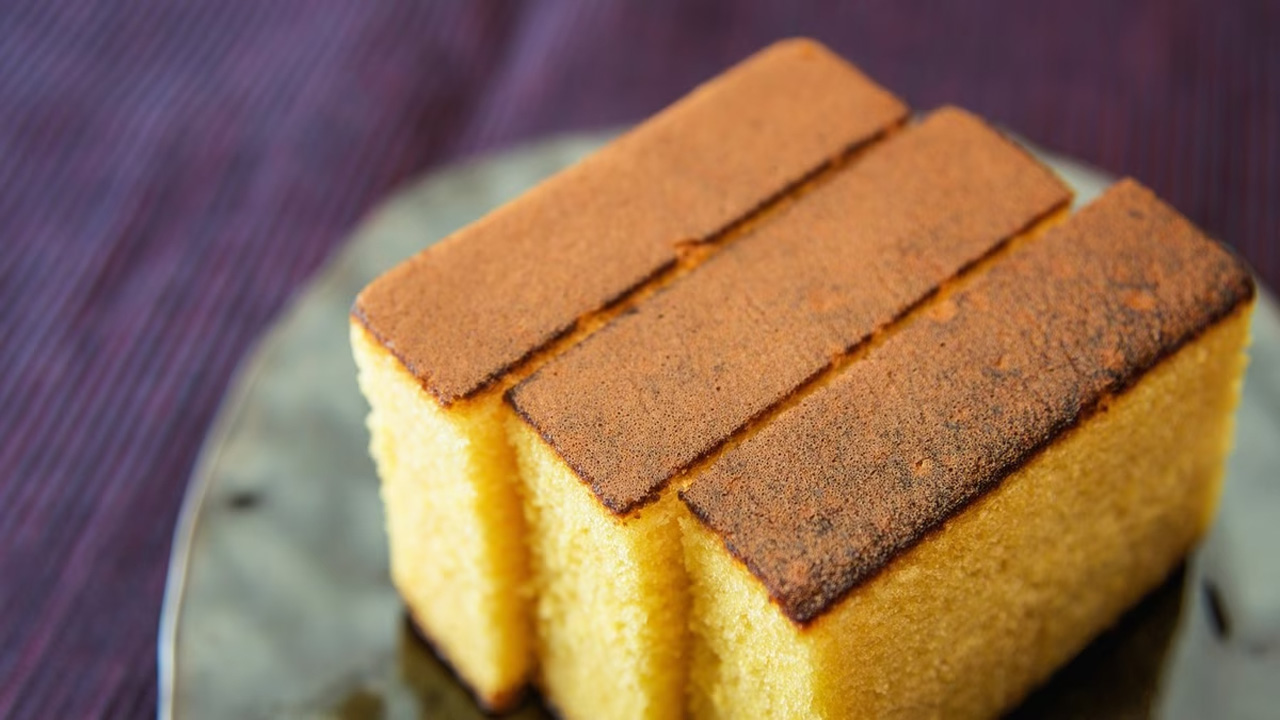
Soft and Sweet: How to Make Traditional Japanese Castella Cake at Home
Biobaeckerei – The Japanese Castella Cake is a timeless dessert known for its soft, moist texture and naturally sweet flavor from honey. Originally brought from Portugal to Japan in the 16th century, it has become one of the country’s most beloved cakes, often enjoyed with tea or as a light dessert.
Simple Ingredients, Authentic Taste
To create this sponge-like treat, you’ll need just a few pantry staples. Here’s what you’ll need:
- 105g egg whites (from 3 cold eggs)
- 120g granulated sugar
- 1/2 tsp vinegar
- 68g egg yolks (from 4 eggs)
- 30g honey
- 30g milk
- 30g oil
- 120g cake flour
Using cake flour is key to achieving the Castella’s signature fine and delicate crumb.
Also Read : Pad See Ew: The Comfort Food That Carries Thailand’s Heart
Step-by-Step Preparation for Perfect Texture
While the recipe uses simple ingredients, it requires precise technique to yield the perfect texture. Follow these detailed steps:
Whip the Egg Whites to Soft Peaks
Begin by whisking the cold egg whites and vinegar until foamy. Gradually add the sugar and continue to beat until soft peaks form. This whipped meringue creates the cake’s airy structure.
Prepare the Yolk Mixture
In a separate bowl, mix together the egg yolks, honey, milk, and oil until smooth. Sift in the cake flour gradually, stirring gently to prevent lumps.
Combine with Care
Gently fold the yolk mixture into the whipped egg whites in batches. Use a spatula to fold the mixture carefully—this ensures the air in the meringue is preserved, resulting in a light yet structured cake.
Bake with the Right Technique
Pour the batter into a parchment-lined baking pan. To keep the cake moist and prevent cracking, bake it using the water bath method (bain-marie) at 150°C (300°F) for about 60 minutes. This method provides gentle, even heat.
Let It Cool for the Best Texture
After baking, let the cake cool in the pan, then chill it slightly before slicing. The result? A soft, bouncy texture with a mild honey aroma. The surface should be golden brown, while the inside remains pale and uniform.
A Taste of Japan’s Culinary Heritage
This Castella Cake isn’t just a dessert—it’s a piece of culinary history. From its Portuguese roots to its place in Japanese culture, the cake reflects centuries of refinement. Perfect for family gatherings, tea parties, or a homemade gift, this Castella recipe is sure to impress.
Final Notes
Whether you’re a fan of Japanese sweets or a home baker looking for something new, Castella Cake is a rewarding bake that brings elegance and comfort to the table. Just be sure to follow each step with care—the technique is as important as the ingredients.

Leave a Reply